1. Industry Background & Market Demand
Global low-voltage
power distribution infrastructure is undergoing steady iteration driven by the growth of residential construction, commercial real estate, and industrial auxiliary facility upgrades. In European and American
building electrical systems, terminal power distribution equipment requires standardized, adaptable, and compact box solutions to match decentralized power supply demands of end devices.
Traditional single-function distribution boxes struggle to meet differentiated on-site installation and power distribution needs across residential, commercial, and light industrial scenarios. The market demands modular, multi-specification low-voltage distribution equipment that supports flexible installation and multi-scenario adaptation. As a versatile general-purpose box series, the XM low-voltage distribution box fills the market gap of universal terminal power distribution, becoming a mainstream selection for end power distribution in civil buildings and small-scale industrial sites. Its multi-model classification and dual installation methods enable it to cover low-power and small-current distribution scenarios that account for more than 70% of terminal electrical needs in conventional buildings.
2. Core Concept & Product Classification
The XM low-voltage distribution box is a generalized series of terminal low-voltage power distribution equipment, rather than a single fixed-spec enclosure. It features serialized model differentiation and scenario-based functional customization, with core conventional sub-models including XM1, XM2, XM3, and XM5. Each sub-model retains the unified structural design logic of the XM series while adjusting internal space layout, load-bearing capacity, and wiring structure to adapt to different power distribution capacities and functional requirements.
In terms of installation forms, the entire XM series supports both surface mounting and flush mounting, adapting to different building decoration and electrical construction standards in European and American markets. Functionally, the series covers three core terminal power distribution categories: general lighting distribution, electric energy metering, and small-power dynamic power distribution, realizing one-series multi-scenario coverage for end low-voltage power distribution.
3. Product Structure, Performance, Materials & Manufacturing Process
3.1 Structural Design
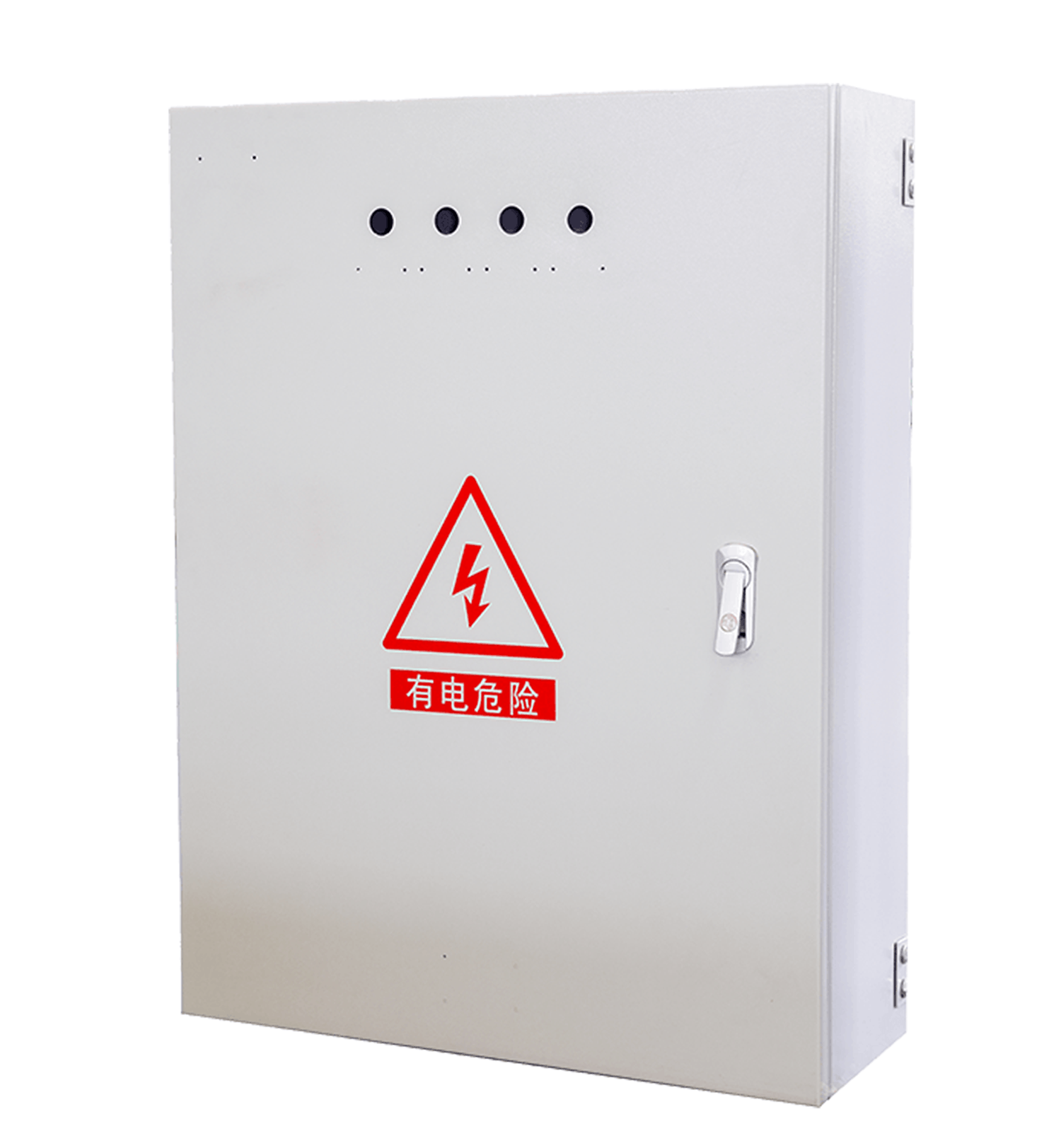
The XM low-voltage distribution box adopts a split assembled structure, consisting of a box body, mounting base, transparent protective door, and wiring accessories. The internal guide rail is pre-installed with adjustable spacing, allowing flexible assembly of
circuit breakers, metering modules, and terminal wiring terminals. Different sub-models differ in internal cavity size and load level: XM1 and XM2 are compact-sized for single-family lighting and metering scenarios; XM3 expands the internal installation space for multi-circuit simultaneous distribution; XM5 optimizes the dynamic load structure to adapt to small-power mechanical equipment power supply.
3.2 Core Performance Indicators
The whole series complies with IEC 60439 low-voltage switchgear standards, with a rated working voltage of 400V low-voltage AC, protection grade ranging from IP30 to IP40, adapting to indoor dry working environments. It supports short-term overload operation of small-power circuits, with excellent electrical insulation and arc resistance performance, ensuring stable power distribution of terminal circuits. The dual installation structure enables flat and embedded installation without damaging the overall electrical wiring aesthetics of buildings.
3.3 Main Materials
The box body is made of high-quality cold-rolled steel plate with a thickness of 1.0–1.5mm, featuring high structural rigidity and anti-deformation capability. The surface is treated with electrostatic epoxy powder spraying, which is anti-corrosive, anti-rust and anti-aging, adapting to long-term indoor operation. The inner mounting plate is a galvanized steel plate to enhance conductivity and rust resistance; the outer door uses high-transparency insulating PC material, which is flame-retardant and impact-resistant, facilitating real-time observation of internal equipment operation.
3.4 Manufacturing Process
The production process adopts numerical control one-time stamping and bending forming to ensure the flatness and assembly accuracy of the box body. Welding parts are treated with seamless spot welding to eliminate sharp edges and corners, meeting European and American building electrical safety standards. The surface spraying process adopts high-temperature curing treatment to improve coating adhesion and wear resistance. All products undergo factory-level insulation testing, withstand voltage testing and waterproof and dustproof performance testing before delivery to ensure consistent product performance.
4. Key Factors Affecting Product Quality & Performance
First, material thickness and surface treatment quality are core factors determining the service life of the XM low-voltage distribution box. Thin steel plates are prone to deformation during installation and use, while unqualified spraying processes easily lead to rust and peeling in humid environments, reducing equipment safety.
Second, internal structural precision directly affects electrical matching performance. Inaccurate guide rail spacing and uneven mounting plate flatness will cause loose installation of electrical components, easily leading to poor contact and circuit heating faults during long-term operation.
Third, process standardization determines safety stability. Unqualified seamless welding and burr treatment may cause wire scratching and insulation damage; incomplete factory electrical performance testing will lead to hidden dangers such as insufficient withstand voltage and poor insulation of individual products.
Fourth, model matching rationality is the key to on-site application effect. Blindly selecting low-spec XM series boxes for high-load small power scenarios will cause overload operation of the box body, affecting the overall power distribution stability of the terminal system.
5. Supplier Selection Criteria
For European and American B2B purchasers and engineering contractors, the selection of XM low-voltage distribution box suppliers focuses on standardized production and scenario-based customization capabilities. First, suppliers must have complete IEC standard certification and product performance test reports to ensure that the box meets local electrical safety and building construction specifications.
Second, priority is given to manufacturers with serialized production capabilities, who can supply full-range products including XM1, XM2, XM3, and XM5 models and support switching between surface mounting and flush mounting structures to meet differentiated engineering needs.
Third, production process control capability is a key assessment index. Qualified suppliers need to have standardized stamping, welding, and spraying production lines, with stable material procurement channels to ensure consistent box thickness, coating quality, and insulation performance of batch products.
Fourth, after-sales adaptation and engineering supporting capabilities are required. Suppliers need to provide customized size adjustment and pre-installation scheme matching services for special building scenarios, and support batch delivery and technical guidance for engineering projects.
6. Industry Pain Points & Common Problems
In the current terminal low-voltage distribution equipment market, the application of the XM low-voltage distribution box still faces several typical industry pain points. First, market product homogenization is serious. Many small manufacturers cut costs by reducing steel plate thickness and simplifying surface treatment, resulting in poor anti-aging and anti-corrosion performance of low-cost products, which are prone to failure in long-term building operation.
Second, model selection confusion is common in engineering applications. Construction personnel lack in-depth understanding of the functional differences between XM1, XM2, XM3, and XM5, often leading to mismatched model selection, resulting in insufficient internal wiring space or excess load waste.
Third, installation standardization is inconsistent. The dual installation mode of surface mounting and flush mounting puts forward high requirements for on-site construction. Non-standard installation easily causes box body inclination, poor sealing, and inconsistent wiring specifications, affecting the overall safety and aesthetics of electrical engineering.
Fourth, customized demand response is slow. For special scenarios such as basement humid environments and high-density commercial buildings, conventional XM series products cannot meet enhanced protection and multi-circuit distribution needs, and most suppliers lack rapid customized upgrading capabilities.
7. Application Scenarios & Practical Cases
The XM low-voltage distribution box is widely used in terminal power distribution links of civil buildings and light industrial sites, relying on its serialized specifications and flexible installation methods, covering multiple mainstream application scenarios.
In residential construction projects, XM series metering-type distribution boxes are applied to household electric energy metering and lighting power distribution for multi-story residences and apartments. XM1 and XM2 compact models are mainly used for single-family household terminal distribution, realizing centralized management of household lighting and ordinary socket circuits.
In commercial and office scenarios, XM3 multi-circuit models are adopted for terminal power distribution of office areas, shop interiors, and public corridors, meeting the power supply needs of multi-group lighting systems and small office electrical equipment. Flush mounting is mostly adopted to fit the overall decoration style of commercial buildings.
In industrial auxiliary scenarios, XM5 enhanced dynamic models are used for on-site power distribution of small-power fans, water pumps, and ventilation equipment in basements and factory auxiliary workshops. The optimized internal load structure can adapt to the instantaneous start-up current of small mechanical equipment, realizing simple and reliable on-site power supply.
8. Current Trends & Future Development Direction
With the continuous upgrading of global building electrification and intelligent construction, the XM low-voltage distribution box industry is developing towards standardization, intelligence, and high adaptability. At present, the market has formed a unified serialized application standard for the XM series, and the model differentiation and functional positioning of each sub-model are gradually standardized, which is convenient for unified selection and construction in engineering projects.
In terms of product iteration, future XM low-voltage distribution box products will integrate intelligent monitoring modules on the basis of retaining the original serialized advantages, realizing real-time monitoring of circuit current, voltage and temperature, and overcoming the defect of no early warning function for traditional box equipment faults. In terms of material upgrading, new flame-retardant and high-corrosion-resistant composite materials will replace part of metal structures to reduce product weight while improving environmental adaptability.
In terms of scenario adaptation, the product will further expand customized protection levels and structural specifications, launch enhanced models suitable for humid, dusty and other special environments, and expand the application boundary from traditional civil buildings to light industrial intelligent equipment supporting power distribution. In addition, with the improvement of green building standards, energy-saving and low-consumption structural design and recyclable materials will become the mainstream development direction of the XM series products.
9. FAQ
Q1: What are the essential differences between XM1, XM2, XM3 and XM5 models?
All four models belong to the XM low-voltage distribution box series with consistent safety standards. XM1 and XM2 are compact models for single-circuit and small-circuit household lighting and metering scenarios; XM3 has enlarged internal space for multi-circuit centralized distribution in commercial spaces; XM5 is optimized for dynamic load scenarios, adapting to instantaneous current impact of small-power mechanical equipment such as fans and water pumps.
Q2: Is the XM low-voltage distribution box suitable for outdoor installation?
Conventional XM series products have an IP30-IP40 protection grade, which is only applicable to indoor dry environments such as buildings, basements and workshops. For outdoor open-air scenarios, customized waterproof and dustproof enhanced structure and protection grade upgrading are required.
Q3: How to choose surface mounting or flush mounting mode in engineering construction?
Flush mounting is recommended for scenarios with high decoration requirements such as apartments, offices and commercial shops to ensure building surface flatness and aesthetics; surface mounting is suitable for basement equipment rooms, workshop auxiliary areas and other scenarios with low decoration requirements and convenient later maintenance.
Q4: What are the common quality faults of XM low-voltage distribution boxes in use?
The most common faults include box body rusting and paint peeling caused by unqualified surface treatment, loose component installation caused by inaccurate structural size, and poor circuit contact heat generation caused by non-standard wiring. Such problems can be effectively avoided by selecting standardized serialized products and implementing standard installation specifications.

 RELATED
 RELATED
 RELATED
 RELATED

 English
 العربية
 中文
中文 қазақ
қазақ



 WhatsApp
 телефон